NW Ferments

What is Kefir?

by Kim

Maybe you’ve heard of the health benefits it provides, like protection against cancer, digestive problems, and osteoporosis. Perhaps you or your child have taken antibiotics, and have heard about its ability to restore gut flora. Maybe you just want a tasty drink in the morning that you know packed with vitamins and essential amino acids.

Whatever the reason, we’re happy to see your interest in kefir, and we’re here to give you all the information you need for starting on your kefir journey. You’re probably thinking- “Okay, that’s great, but what IS a kefir culture?”

NW Ferments offers three types: Milk Kefir Grains, Water Kefir Grains, and Kefir Starter. Right now, we’re going to talk about Milk Kefir Grains. To the human eye, they look similar to pieces of cauliflower. They’re quite beautiful, in a way (or maybe we’re just weird).

Milk Kefir grains are a combination of beneficial yeasts and bacteria that live on a substrate made up of a variety of caseins (milk proteins) and complex sugars. Inside those cauliflower-like grains are dietary minerals, vitamins, and essential amino acids. One in abundance is tryptophan, which is known for it’s relaxing effect on the nervous system. There’s also plenty of phosphorous, which promotes cell growth and energy production. Rounding out the cast are a collection of Vitamin B12, B1, and Vitamin K, which help kidney regulation and relieve skin disorders.

So basically, milk kefir is like the healthy version of wine and a bubble bath. And the taste? Some describe it as a “milk soda.” It has the consistency of a drinkable yogurt but is more tart and bubbly. When blended with fresh fruit and honey, it makes an excellent probiotic smoothie. The best part is that the kefir grains consume lactose during the culturing process, making it more drinkable for those who are lactose-intolerant. (Uh-oh, we’ve been rambling on, and you’re probably wondering how to make the stuff!) Herein lies the simplicity. To make milk kefir, you just add the grains to milk. Most people use cow or goat milk. The kefir is then cultured at room temperature for roughly 24 hours. The length of time varies, depending on the ratio of grains to milk and your desired level of tartness.

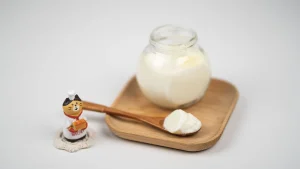
The milk kefir is finished when it has thickened to a consistency like heavy cream or drinkable yogurt. Sound good? Come and see! We have grains perfect for getting started. Oh, and if you discover a flavoring that we haven’t heard of, please let us know!

Sourdough Bagel Recipe

Sourdough Bagel Recipe Ingredients 1¼ cups warm water (254 grams) 1½ tablespoons honey (40 grams) ⅔ cup sourdough starter, active...

Sourdough Pizza Crust

Sourdough Pizza Crust Ingredients ¼-⅓ cup sourdough starter, active and bubbly (50 grams, fed at 100% hydration) ¾ cup water (175 grams)...

Kombucha Salad Dressing

Kombucha Salad Dressing Not just a salad dressing- great for marinades and added to dips too!   Ingredients: 1 cup...

Sourdough Sandwich Bread Loaf

Sourdough Sandwich Bread Loaf Ingredients 4⅓ cups all-purpose flour, spooned and leveled (510 grams) 4 tablespoons salted butter, softened (56...

Kombucha Marinade

Kombucha Marinade Try it with meats, veggies, tempeh, tofu & more. A great way to use extra strong Kombucha! Ingredients...

Apple Cinnamon Water Kefir

Apple Cinnamon Water Kefir Ingredients 4 cups finished water kefir (grains removed) 1 cup unfiltered apple cider (or to taste)...