
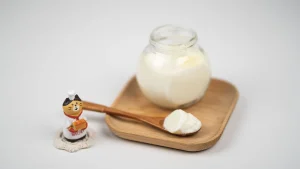
How are mesophilic and thermophilic yogurts different from each other?
The primary difference between mesophilic and thermophilic yogurts is the temperature at which they are cultured (fermented).
Mesophilic Yogurt:
Filmjolk, Matsoni, Piima and Viili varieties
- Culturing Temperature: Mesophilic yogurts culture at room temperature, typically between 70-80°F (21-27°C).
- Ease of Preparation: They are easier to make at home because they don’t require extra heating.
- Texture: Mesophilic yogurts tend to be thinner, ranging from spoonable to drinkable, with Viili being a notable exception that has a very thick and ropy texture. The yogurt can also be strained to get a thicker result.
- Flavor: These cultures usually have a milder, more subtly tart flavor compared to thermophilic yogurts.
- Probiotics: Mesophilic yogurts often have a greater diversity of probiotic strains, as they can thrive from the natural bacteria present in the milk due to the room temperature fermentation.
- Yeast Content: They may contain small amounts of yeast due to room temperature fermentation, which can pick up airborne yeast. `
Thermophilic Yogurt:
- Culturing Temperature: These cultures thrive in higher temperatures, around 90-110°F (32-43°C).
- Preparation: Making thermophilic yogurt at home usually requires a yogurt maker or a controlled heat source to maintain the necessary temperature.
- Texture: Thermophilic yogurts are typically thick and more spoonable, with Greek yogurt being a well-known example.
- Flavor: These cultures generally have a stronger tart or sour flavor, which can be adjusted by varying the fermentation time.
- Probiotics: These yogurts usually contain 4-6 probiotic strains selected for desirable traits like taste and potential health benefits.
- Yeast Content: Yeast is unlikely to thrive in the high temperatures used for fermenting thermophilic yogurts.
How are mesophilic and thermophilic yogurts different from each other?
How are mesophilic and thermophilic yogurts different from each other? The primary difference between mesophilic and thermophilic yogurts is the temperature...
Bake Real Sourdough At Home With The Yukon Sourdough Recipe
Bake Real Sourdough at Home with the Yukon Sourdough Starter Kit There is something deeply satisfying about baking sourdough at...

Sourdough Bagel Recipe
Sourdough Bagel Recipe Ingredients 1¼ cups warm water (254 grams) 1½ tablespoons honey (40 grams) ⅔ cup sourdough starter, active...

Sourdough Pizza Crust
Sourdough Pizza Crust Ingredients ¼-⅓ cup sourdough starter, active and bubbly (50 grams, fed at 100% hydration) ¾ cup water (175 grams)...
Kombucha Brewing Tips for Summertime
Kombucha Brewing Tips for Summertime In warmer weather, kombucha fermentation speeds up. If your kombucha is brewing too quickly and/or...
Kombucha Salad Dressing
Kombucha Salad Dressing Not just a salad dressing- great for marinades and added to dips too! Ingredients: 1 cup...
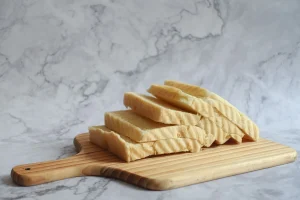
Sourdough Sandwich Bread Loaf
Sourdough Sandwich Bread Loaf Ingredients 4⅓ cups all-purpose flour, spooned and leveled (510 grams) 4 tablespoons salted butter, softened (56...

Kombucha Marinade
Kombucha Marinade Try it with meats, veggies, tempeh, tofu & more. A great way to use extra strong Kombucha! Ingredients...

Apple Cinnamon Water Kefir
Apple Cinnamon Water Kefir Ingredients 4 cups finished water kefir (grains removed) 1 cup unfiltered apple cider (or to taste)...
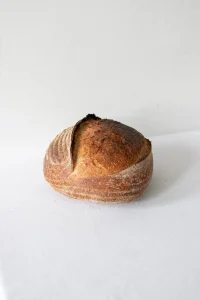
Bread Machine (From King Arthur Flour)
Sourdough Rye Bread – For Bread Machine (From King Arthur Flour) Ingredients 2 tablespoons vegetable oil 1 1/2 tablespoons molasses...