
Mesophilic Yogurt: Viili
by Jerri
At NW Ferments we absolutely LOVE the mesophilic (a.k.a. room temperature) yogurts. We carry the Matsoni, Filmjolk, and Piima, but today we are rehydrating and using the Viili culture. I have a special interest in this one because my daughter is spending her junior year abroad in Finland, where Viili hails from! Our product description says:
Make your own creamy & mildly flavored Viili Yogurt. Originally from Finland, this heirloom variety is mesophilic, meaning that it will culture at room temperature (70-77 degrees). No yogurt maker is required. Reusable- by reserving a bit from each batch, you can continue to make Viili Yogurt indefinitely!
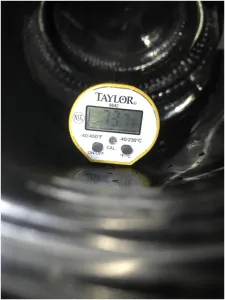
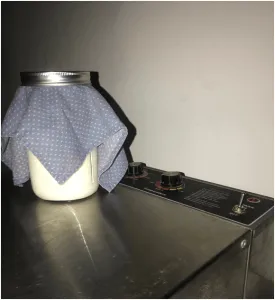
However, this time of year, if you don’t have a spot in your home at the above room temperature, you’ll have to get creative in order to enjoy this yogurt in the chilly months. This is my own challenge, so on the top of my running dehydrator my jar will sit. NOT IN, but on top. IN would kill the yogurt. After making some adjustments with the temperature knob over several hours, I was able to maintain the right temperature. Remember you are testing the water itself (before you waste precious culture, milk and time) so do not allow the thermometer probe to touch the jar.
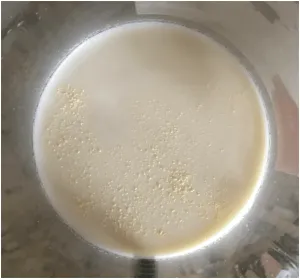
Gather the culture, regularly (not Ultra!) pasteurized milk, and supplies. Pour 1-2 cups of milk in the jar, and after sprinkling the culture on top, let the culture sit 45-60 seconds to rehydrate a bit. Then stir it in really, really well!
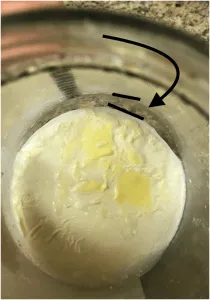
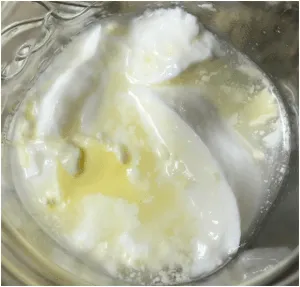
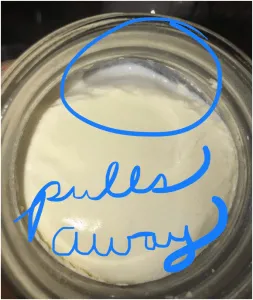
My timing was not well planned, oops, having started my yogurt at 3:15 p.m. Knowing it could be done in as little as 12 hours, I still decided setting my alarm for 3:15 a.m. was not going to happen. I checked at 7:15 a.m., 16 hours in, and saw no thickening. It can go as long as 48 hours, so I checked twice more and by 7:00 a.m. the next day (about 40 hours total), I had yogurt! Notice how it pulls away from the side? You can also see that lovely yellow cream!
I funneled it into a quart jar, as it needs 6 hours to chill in the fridge to allow the bacteria to slowly stabilize. No flavoring, sweetening, or straining yet!
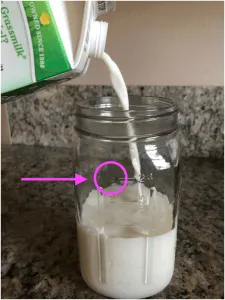
It tasted delicious! The next step was to use this mother culture to make a bigger batch. Easy peasy! If you have one of the older quart jars, you might be lucky to have the cups labeled for you. Just pour in straight-from-the-fridge milk to the 3 cup line!
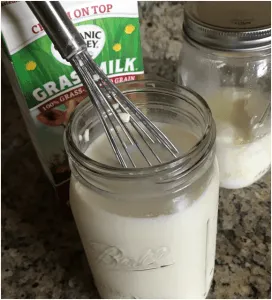
The ratio from here on out is ¼ cup mother culture to 3 to 4 cups of milk.
Whisk away! You want to ensure it gets distributed evenly.
Back to the top of the dehydrator, for 12-18 hours. The rebatch is always shorter than the rehydration batch.
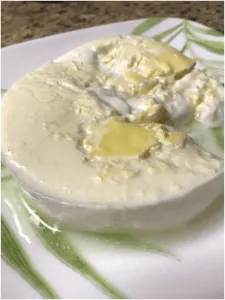
Success! 3 cups of yogurt goodness! Again, see how it pulls away from the side? This took just over 17 hours, or rather, it was just over 17 hours when I was able to check on it. It may have been done earlier than that, but I like my sleep and was crossing my fingers it would not overculture while I got my zzzzzzz’s.
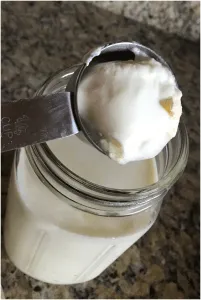
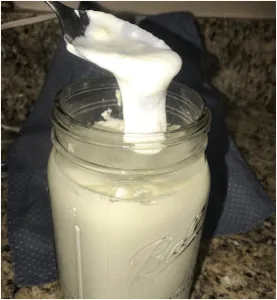
JUST LOVELY. Look at it when spooned out!
You know you want some. What are you waiting for? Get Fermented!
**Note: A “mother culture” is basically any new batch of yogurt that is plain, not flavored/sweetened/strained, and is no older than 7 days. Your rehydration batch is considered a mother, as would be the next batch you make from her, so long as you save a portion in the fridge while you flavor/sweeten/strain (if wanted) the rest of it!
How are mesophilic and thermophilic yogurts different from each other?
How are mesophilic and thermophilic yogurts different from each other? The primary difference between mesophilic and thermophilic yogurts is the temperature...
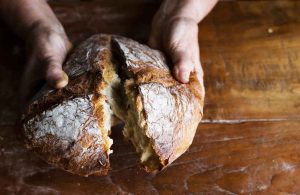
Bake Real Sourdough At Home With The Yukon Sourdough Recipe
Bake Real Sourdough at Home with the Yukon Sourdough Starter Kit There is something deeply satisfying about baking sourdough at...

Sourdough Bagel Recipe
Sourdough Bagel Recipe Ingredients 1¼ cups warm water (254 grams) 1½ tablespoons honey (40 grams) ⅔ cup sourdough starter, active...

Sourdough Pizza Crust
Sourdough Pizza Crust Ingredients ¼-⅓ cup sourdough starter, active and bubbly (50 grams, fed at 100% hydration) ¾ cup water (175 grams)...
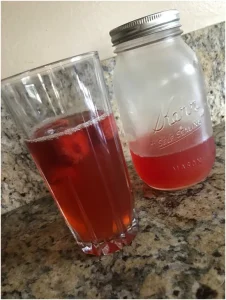
Kombucha Brewing Tips for Summertime
Kombucha Brewing Tips for Summertime In warmer weather, kombucha fermentation speeds up. If your kombucha is brewing too quickly and/or...
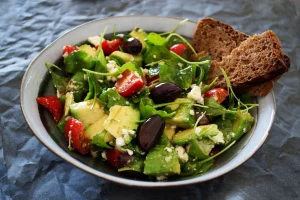
Kombucha Salad Dressing
Kombucha Salad Dressing Not just a salad dressing- great for marinades and added to dips too! Ingredients: 1 cup...
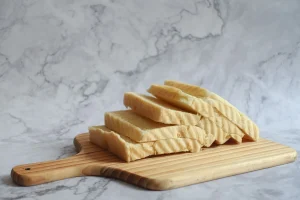
Sourdough Sandwich Bread Loaf
Sourdough Sandwich Bread Loaf Ingredients 4⅓ cups all-purpose flour, spooned and leveled (510 grams) 4 tablespoons salted butter, softened (56...

Kombucha Marinade
Kombucha Marinade Try it with meats, veggies, tempeh, tofu & more. A great way to use extra strong Kombucha! Ingredients...

Apple Cinnamon Water Kefir
Apple Cinnamon Water Kefir Ingredients 4 cups finished water kefir (grains removed) 1 cup unfiltered apple cider (or to taste)...
Bread Machine (From King Arthur Flour)
Sourdough Rye Bread – For Bread Machine (From King Arthur Flour) Ingredients 2 tablespoons vegetable oil 1 1/2 tablespoons molasses...