

Learning More About My Danish Rye Sourdough Starter
by Suzanne
Time for a little honesty: I got bored with fermenting. I have been fermenting for years, and I was in a rut. I had done it all, over and over, and I was all but ready to give it up for something more exciting. Enter the Danish Rye Sourdough Starter.
With all my experimenting, I have learned a few important rules about my sourdough starter. Some are no-brainers if you are an experienced fermenter. Some were totally new to me, since I have been grain-free for so long.
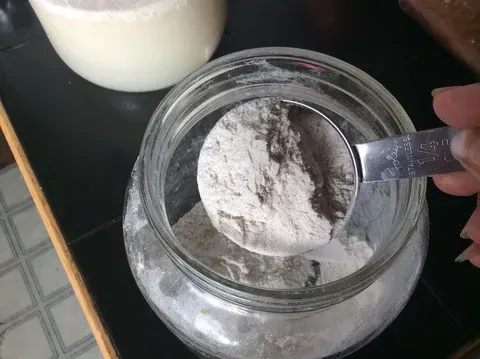
Sourdough starters like aged flour. If you like to grind your flour fresh from whole grains, that’s awesome! And it’s fine for sourdough, but let it sit around for a few days before using that freshly ground flour for feeding your starter. I’ve found conflicting reports, but if you switched to freshly milled flour and find that your starter isn’t as active, try aging the flour for a few days. Seems like it needs a while to increase the natural microorganisms present that support an active starter.
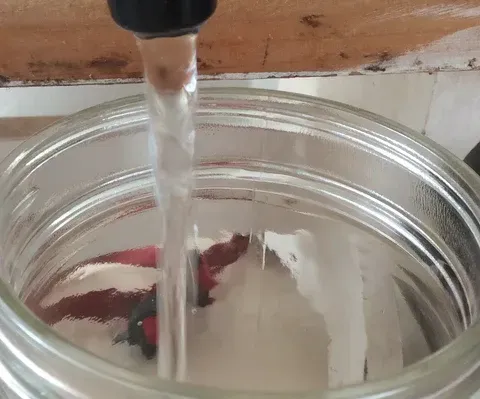
A good water source is important. With so many additives in public water these days, I find that the water from my Berkey filter works really well for fermented foods, and that is especially true for sourdough. It’s only flour and water, after all, so make sure your water is at least free of chlorine.
Sourdough is not quite as sensitive to temperature as other ferments. Wahoo! Finally, something that works well in my chilly winter kitchen. I do not like to turn the heat up past 60°F in my house, so water kefir is definitely out once the cold weather comes. Sourdough may take a bit longer to ferment, but it gets nice and bubbly without a long wait. I love it!
Discarding starter actually saves flour. At first I was horrified to think of throwing out some of the starter on a regular basis. But if you don’t bake on a regular basis, things really start to get out of hand. The volume of starter, and hence the volume of flour needed to feed it, just grows and grows. If you don’t want to make pancakes or crackers every day, it’s fine to just throw some out. Put it in the compost heap if you can, but discard regularly, for sure. I like to keep about ½ cup of starter going. That way, it’s easy to build up enough starter for baking pretty quickly, and I don’t waste too much flour. If I know I’m not going to be baking for a while, I might reduce the starter volume to about ¼ cup. Experiment and keep track of your baking and find what works best for you.
Transfer starter to a clean jar. Unlike other ongoing ferments, sourdough is sticky! And once that flour/water combination sticks to the sides of the jar, mold has a place to grow. So once you have your sourdough routine established, transfer your starter to a clean jar regularly, to avoid an unpleasant surprise on baking day.
That’s it so far. I’ve discovered some recipes written specifically for rye sourdough and can’t wait to try them out. Meanwhile, time to feed my starter!
How are mesophilic and thermophilic yogurts different from each other?
How are mesophilic and thermophilic yogurts different from each other? The primary difference between mesophilic and thermophilic yogurts is the temperature...
Bake Real Sourdough At Home With The Yukon Sourdough Recipe
Bake Real Sourdough at Home with the Yukon Sourdough Starter Kit There is something deeply satisfying about baking sourdough at...

Sourdough Bagel Recipe
Sourdough Bagel Recipe Ingredients 1¼ cups warm water (254 grams) 1½ tablespoons honey (40 grams) ⅔ cup sourdough starter, active...

Sourdough Pizza Crust
Sourdough Pizza Crust Ingredients ¼-⅓ cup sourdough starter, active and bubbly (50 grams, fed at 100% hydration) ¾ cup water (175 grams)...
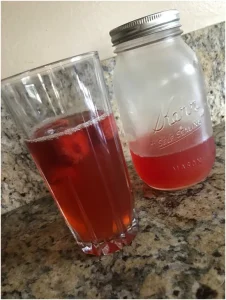
Kombucha Brewing Tips for Summertime
Kombucha Brewing Tips for Summertime In warmer weather, kombucha fermentation speeds up. If your kombucha is brewing too quickly and/or...
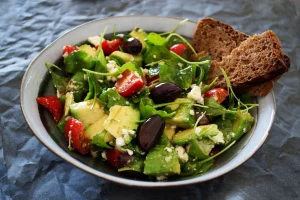
Kombucha Salad Dressing
Kombucha Salad Dressing Not just a salad dressing- great for marinades and added to dips too! Ingredients: 1 cup...
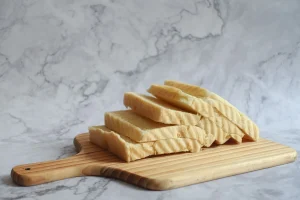
Sourdough Sandwich Bread Loaf
Sourdough Sandwich Bread Loaf Ingredients 4⅓ cups all-purpose flour, spooned and leveled (510 grams) 4 tablespoons salted butter, softened (56...

Kombucha Marinade
Kombucha Marinade Try it with meats, veggies, tempeh, tofu & more. A great way to use extra strong Kombucha! Ingredients...

Apple Cinnamon Water Kefir
Apple Cinnamon Water Kefir Ingredients 4 cups finished water kefir (grains removed) 1 cup unfiltered apple cider (or to taste)...
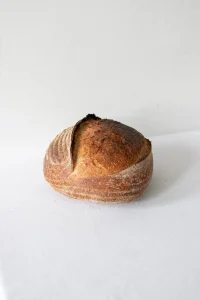
Bread Machine (From King Arthur Flour)
Sourdough Rye Bread – For Bread Machine (From King Arthur Flour) Ingredients 2 tablespoons vegetable oil 1 1/2 tablespoons molasses...