
Easy Peasy-Let's Make Cheesy!
by Stacie
Before We Talk Kombucha Cheese…
The first time I tell people that I make cheese, they inevitably look shocked. “You MAKE cheese?” they say, and look impressed.
The truth is, there is no reason to be impressed. Cheese is easy, and I firmly believe that with a little practice and help, anyone can make it.
Cheese is one of the oldest foods on the planet. The legend is that one ancient day, a shepherd child used a sheep or goat’s stomach as a convenient milk pail. The rennet in the stomach caused the milk to curdle, and everyone realized that the resulting curds and whey were delicious.
Most modern cheeses are slightly more complicated than that, but not all of them. There are plenty of quick, simple cheeses that you can make at home, using cultures and equipment that you already have.
The best way to start is with an acid cheese. I like to use kombucha for mine; the flavor is mild, slightly sweet, and delicious. If you don’t have any kombucha, that’s okay. Acid cheese can be made with vinegar or lemon juice instead.
Recipe: Basic Kombucha Cheese
So as Julia Child would say: don’t be afraid! Mistakes and messes are guaranteed, but that’s okay. In the world of cheese making, mistakes can almost always be drained, salted, and eaten anyway. Have fun!
- Ingredients:1 gallon milk (not UHT pasteurized)
- 1 cup kombucha or raw vinegar (you may not need all of it)
- Sea salt
- Large stockpot
- Wooden spoon
- Cheese or candy thermometer
- Fine colander
- Cheesecloth
Pour milk into stockpot and heat very slowly, stirring often.
Begin checking temperature when steam rises. Check and stir regularly until temperature reaches 190F. Slowly pour in kombucha, stirring gently. Stop pouring when visible curds form and turn off heat.
Just added kombucha! Note the curds beginning to form and the clear, yellowish whey floating to the top. Allow to rest for 15-30 minutes. Drain curds in a colander lined with cheesecloth, and salt to taste.
A neat trick for draining curds. Save the whey for other projects! And that’s it! Let us know how it works for you!
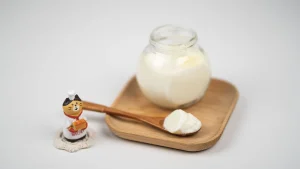
How are mesophilic and thermophilic yogurts different from each other?
How are mesophilic and thermophilic yogurts different from each other? The primary difference between mesophilic and thermophilic yogurts is the temperature...
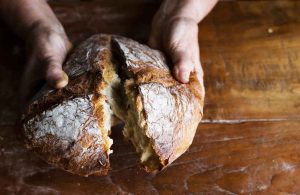
Bake Real Sourdough At Home With The Yukon Sourdough Recipe
Bake Real Sourdough at Home with the Yukon Sourdough Starter Kit There is something deeply satisfying about baking sourdough at...

Sourdough Bagel Recipe
Sourdough Bagel Recipe Ingredients 1¼ cups warm water (254 grams) 1½ tablespoons honey (40 grams) ⅔ cup sourdough starter, active...

Sourdough Pizza Crust
Sourdough Pizza Crust Ingredients ¼-⅓ cup sourdough starter, active and bubbly (50 grams, fed at 100% hydration) ¾ cup water (175 grams)...
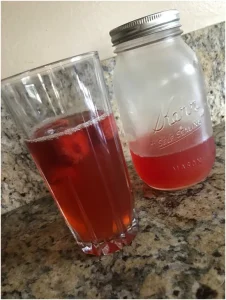
Kombucha Brewing Tips for Summertime
Kombucha Brewing Tips for Summertime In warmer weather, kombucha fermentation speeds up. If your kombucha is brewing too quickly and/or...
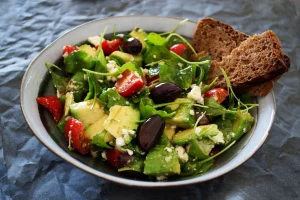
Kombucha Salad Dressing
Kombucha Salad Dressing Not just a salad dressing- great for marinades and added to dips too! Ingredients: 1 cup...
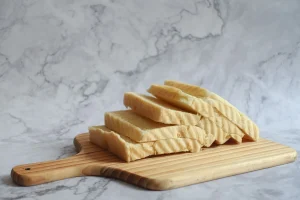
Sourdough Sandwich Bread Loaf
Sourdough Sandwich Bread Loaf Ingredients 4⅓ cups all-purpose flour, spooned and leveled (510 grams) 4 tablespoons salted butter, softened (56...

Kombucha Marinade
Kombucha Marinade Try it with meats, veggies, tempeh, tofu & more. A great way to use extra strong Kombucha! Ingredients...

Apple Cinnamon Water Kefir
Apple Cinnamon Water Kefir Ingredients 4 cups finished water kefir (grains removed) 1 cup unfiltered apple cider (or to taste)...
Bread Machine (From King Arthur Flour)
Sourdough Rye Bread – For Bread Machine (From King Arthur Flour) Ingredients 2 tablespoons vegetable oil 1 1/2 tablespoons molasses...