There is something deeply satisfying about baking sourdough at home. The crackly crust, the chewy crumb, the tang that develops over time. If that is the kind of bread you want coming out of your oven, the Yukon Sourdough Starter Kit from NW Ferments is a solid place to start.
This kit is built for home bakers who want reliable results without unnecessary guesswork. It gives you a living starter culture plus the small but important tools that make the process easier from day one.
Why the Yukon Sourdough Starter Kit is different
The Yukon Sourdough Starter Kit is more than just dried starter in a packet. It is a complete setup designed to help your starter thrive. The name is inspired by the Yukon, where the word “sourdough” became a nickname during the Klondike Gold Rush. People who survived winters north of the Arctic Circle were known for keeping their starters alive through extreme cold. That same spirit of resilience carries into this culture.
The starter is moderately sour with a quick rise and a great crust. It is active, reliable, and flexible enough for everyday baking or more advanced recipes. Unlike many starter kits, this one includes practical tools you will actually use. You get everything you need except the jar and flour, which most home kitchens already have.
The ingredients are simple and clean: organic unbleached white wheat flour and sourdough bacteria. It is non-GMO and vegan.
What comes in the kit
Included in the Yukon Sourdough Starter Kit:
- A one-quart glass jar, such as a mason jar
- White flour of your choice
- Room-temperature filtered, spring, or well water
- A wooden or plastic spoon
Activating your starter
Here’s the simple process to get your starter bubbling and ready for baking:
- Pour ¼ cup water into your jar, sprinkle your starter culture packet over the water, let it sit a few minutes, then stir until mixed.
- Add ¼ cup flour, mix well, then cover the jar (use the included cover + elastic band), and place it in a draft-free spot at room temperature (68–78 °F) for 24 hours. Stir once or twice during this initial period.
- After 24 hours, feed the starter: add 1/8 cup flour + about 1/8 cup water (enough water to make a thick pancake-batter consistency). Stir to combine.
- Continue feeding daily (or twice‐daily if you want to speed things up) until you see tiny bubbles on the surface—your starter is “waking up”. It may take a couple of days, depending on the temperature/flour.
- Once bubbly and active, you’re ready to bake. Feed the starter regularly as you use it; if putting it in the fridge for infrequent use, feed weekly or every two weeks, and then give it a day or two of daily feeds before baking again.
What you can bake
The Yukon starter is versatile and not limited to classic sourdough loaves. Once it is established, you can use it for:
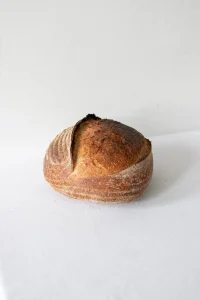
- Boules or batards with a deep golden crust and open crumb
- Sourdough pancakes, waffles, and biscuits
- Recipes using whole wheat or rye flour
- Discard recipes like crackers, muffins, and flatbreads
The included instructions and recipes give you a good starting point, and the starter is forgiving enough to experiment as your confidence grows.
Why this kit works well for home bakers
Whether you’re a beginner or have baked sourdough before, here’s why the Yukon Sourdough Starter Kit works:
- It removes a lot of the guesswork. You’re not hunting down wild cultures, troubleshooting ambiguous instructions; you’ve got a kit built for success.
- It gives you the tools (jar cover, elastic, scraper) that might otherwise require a separate purchase.
- The instructions are clear and beginner-friendly, yet the starter’s performance gives you room to grow and experiment.
- Because it’s branded and built for home bakers, it also makes for a thoughtful gift: a baker friend, a food-lover, a family into DIY.
Tips for success
- Choose a spot in your kitchen that consistently sits between 68–78 °F and is away from drafts or direct sunlight—this helps the starter establish nicely.
- Use filtered or spring water if your tap water is heavily chlorinated—chlorine can slow microbial activity.
- Use a clear glass jar so you can see bubbles forming, which is a great visual indicator you’re on track.
- Label your jar with the date of activation so you can track how many days until your starter is ready.
- If you’ll bake less often, store your established starter in the fridge, feed it weekly, then “wake it up” with a couple of daily feeds before your next bake.
- Experiment: once your starter is strong, try mixing different flour blends or hydration levels for different textures.
A Starter You’ll Actually Use
The Yukon Sourdough Starter Kit from NW Ferments is a practical choice for anyone who wants to bake sourdough without overcomplicating the process. It combines a dependable starter culture with thoughtful tools and clear instructions, making it easy to get started and satisfying to stick with.
With a little patience and regular feedings, you will be baking bread that looks and tastes like it came from an artisan bakery. The crackly crust, open crumb, and balanced tang all come from the simple rhythm of feeding, waiting, and baking. If sourdough has been on your list for a while, this kit gives you a solid reason to finally start.