
Simple Chevre and Simple Bread
by Suzanne
I love Ottolenghi’s cookbooks. I just do. The photos alone are worth a browse, even if you don’t cook at all. His newest book, Simple, is no exception. As I was getting deep into it, I came across an interesting quick bread recipe, nothing like I’d ever made before. I knew immediately that I had to try it. This would be no half-hearted attempt, however. I was determined to make the goat cheese and sour cream from scratch, to make this bread really amazing. Making sour cream is a breeze using cultured buttermilk as a starter. Making your own fresh chevre is just as simple, so I decided to go that route for this bread recipe. To make fresh chevre, all you need is
- Stainless steel or other non-reactive pot
- Thermometer
- Chevre starter culture
- Goat milk
- Butter muslin or other cloth for straining
Now for making the cheese:
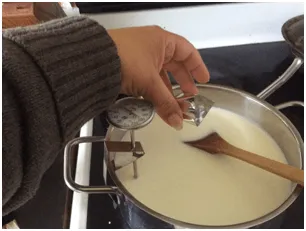
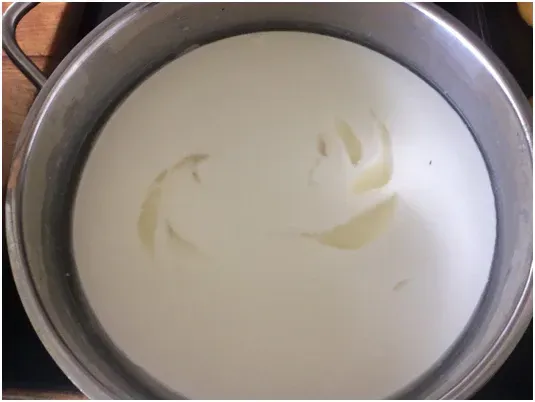
1) Pour the milk into the pot and heat slowly to 86ºF, stirring slowly. It can happen quickly, so keep an eye on the dial. NOTE: Place your thermometer so it can be easily read. My thermometer has a little clip on it that attaches to the side of the pot. Hang the thermometer tip about 1 inch above the bottom, to get an accurate reading.
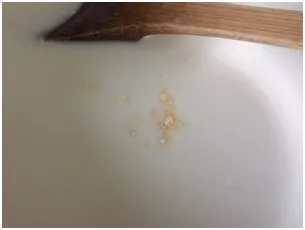
2) Once the milk reaches 86ºF, remove the pot from the heat. Sprinkle the culture on the surface of the milk and let it sit for a minute to saturate.
3) Stir the culture into the milk so that it is thoroughly dissolved.
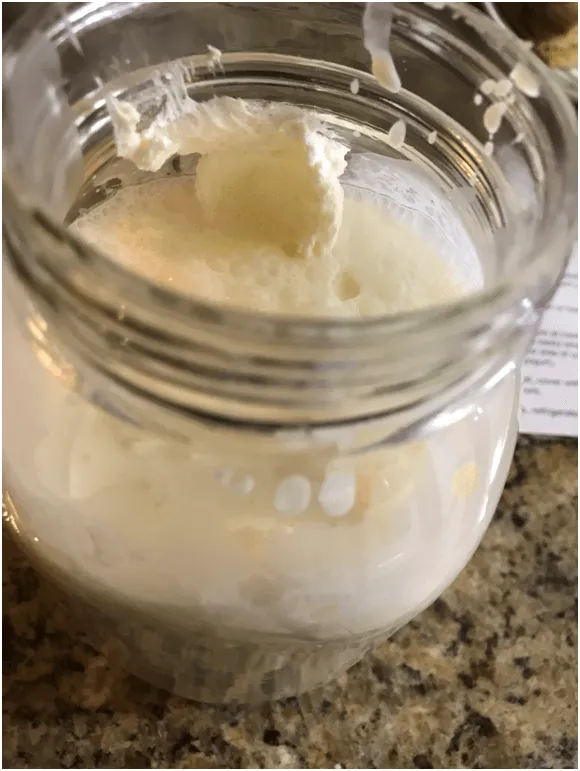
4) Put a lid on the pot and keep in a warm space, about 75ºF, for 12 hours. It is normal to see some separation of curds and whey as the cheese sets.
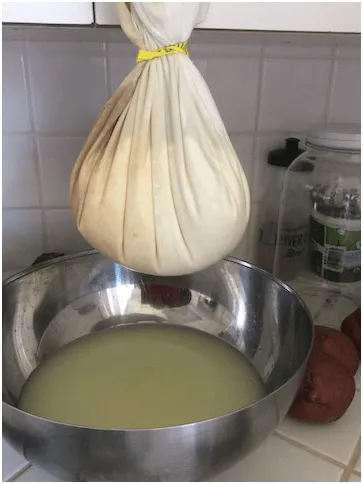
5) After 12 hours or so, drain the curds into a cloth-lined bowl or cheese bag. Hang the cloth to drain for up to 12 hours. Don’t throw out that whey! It’s useful for so many other things!
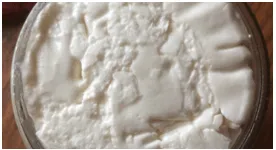
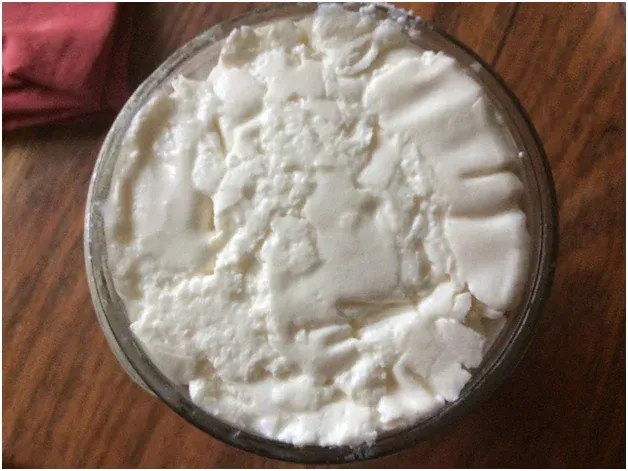
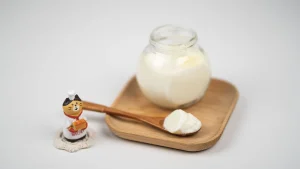
After those easy steps, mostly waiting around, you have a beautiful batch of fresh chevre cheese.
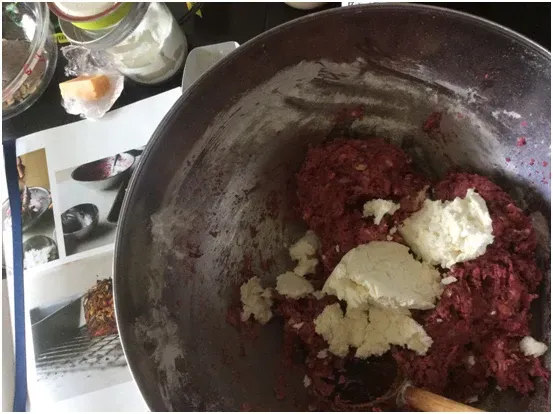
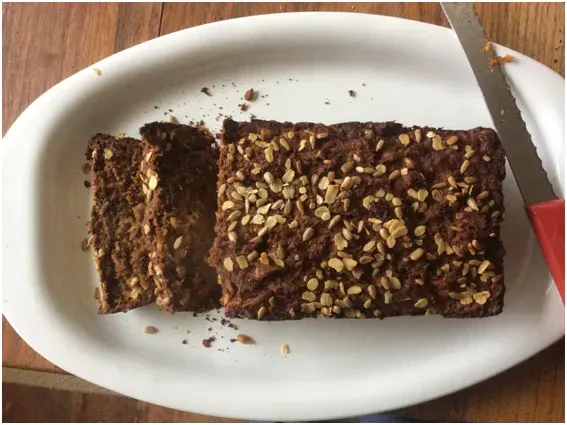
Now for the amazing bread! Of course, I can’t share the entire recipe here; Ottolenghi may never forgive me if I did. But I can share the photos. Even the dough was a beautiful contrast of beet red and fluffy white.
And the final product, enjoyed warm and slathered with butter, was just as delicious as I had dreamed it would be.
How are mesophilic and thermophilic yogurts different from each other?
How are mesophilic and thermophilic yogurts different from each other? The primary difference between mesophilic and thermophilic yogurts is the temperature...
Bake Real Sourdough At Home With The Yukon Sourdough Recipe
Bake Real Sourdough at Home with the Yukon Sourdough Starter Kit There is something deeply satisfying about baking sourdough at...

Sourdough Bagel Recipe
Sourdough Bagel Recipe Ingredients 1¼ cups warm water (254 grams) 1½ tablespoons honey (40 grams) ⅔ cup sourdough starter, active...

Sourdough Pizza Crust
Sourdough Pizza Crust Ingredients ¼-⅓ cup sourdough starter, active and bubbly (50 grams, fed at 100% hydration) ¾ cup water (175 grams)...
Kombucha Brewing Tips for Summertime
Kombucha Brewing Tips for Summertime In warmer weather, kombucha fermentation speeds up. If your kombucha is brewing too quickly and/or...
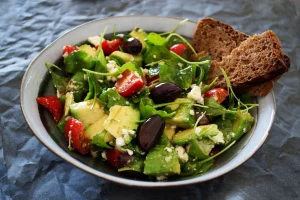
Kombucha Salad Dressing
Kombucha Salad Dressing Not just a salad dressing- great for marinades and added to dips too! Ingredients: 1 cup...
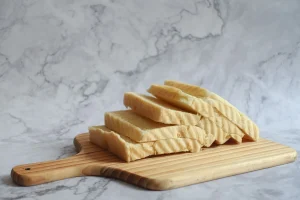
Sourdough Sandwich Bread Loaf
Sourdough Sandwich Bread Loaf Ingredients 4⅓ cups all-purpose flour, spooned and leveled (510 grams) 4 tablespoons salted butter, softened (56...

Kombucha Marinade
Kombucha Marinade Try it with meats, veggies, tempeh, tofu & more. A great way to use extra strong Kombucha! Ingredients...

Apple Cinnamon Water Kefir
Apple Cinnamon Water Kefir Ingredients 4 cups finished water kefir (grains removed) 1 cup unfiltered apple cider (or to taste)...
Bread Machine (From King Arthur Flour)
Sourdough Rye Bread – For Bread Machine (From King Arthur Flour) Ingredients 2 tablespoons vegetable oil 1 1/2 tablespoons molasses...