
What Is The Best Water To Use For Fermentation?
Water, water everywhere! Choosing the best water for fermenting foods and beverages is vital as it is one of the main ingredients. Opt for the wrong kind, and it impacts the flavor of your ferments or the health of your starters, SCOBY, or grains. We recommend getting good-quality water for cheese, kombucha, water kefir, veggies, or sourdoughs.
What Water Should You Use For Fermenting?
You are feeding living organisms, and those bacteria and yeasts are crucial to fermentation. Deciding which water to use depends on where you live, what water is accessible, and what you are fermenting. Water kefir likes minerals in the water, while kombucha does not. Municipal tap water often contains chemical additives like chlorine, chloramine, and fluoride will harm your cultures.
Filtered Water
The best water comes through a good quality filtration system that removes the bad stuff (chlorine, chloramine, fluoride) but leaves in the good stuff (i.e., minerals). Our favorite is the Berkey Water Filter System–it’s worth the investment. They also carry separate fluoride filters.
Stay away from the cheaper filtration systems like a Brita or your fridge filter – the additive list is not extensive as to what they filter. For more information on the list of chemicals and additives that a particular filter will remove, try Water Filter Labs. Brita is on there, and it ranks as the worst-performing. We don’t recommend reverse osmosis or fine filtration that removes too many good minerals.
Bottled Water
Bottled water is a toss-up, especially with the cost ratio, environmental impact, and some companies selling bottled tap water. Plain spring water is excellent, except “sparkling” or those with higher or added mineral content. Water labeled “drinking” is usually okay, but always read the ingredient label for additives.
Don’t get the fancy water that’s alkalinized, sparkling, ozonated, extra mineralized, or whatever marketing terms the water companies put on the label. They aren’t worth it or won’t work.
Distilled Water
Distilled or demineralized water is processed not to have bacteria, minerals, pharma residue, or other contaminants. Distilling water at home may not be optimal, considering it takes at least 13 hours to make just one gallon. Instead, purchase it from the store and add back in trace minerals, especially for water kefir.
Water Softeners
Water softeners also tend to be problematic because they often leave traces of salt or other chemicals in the water. Because the water is alkaline, the microbes must work harder to ferment and produce good results.
Generally, when folks have issues, and troubleshooting uncovers nothing wrong in the procedures, it turns out the water went through a softener.
Can You Use Tap Water for Fermentations?
Just turning on your kitchen faucet for tap water to make your ferments would be the easiest, right? However, municipalities add chlorine or chloramine and fluoride to kill bacteria, which includes gut-friendly ones! If you use well water, test it at least once a year for possible contaminants and mineral levels.
To remove chlorine, let water sit for at least a half hour so the chlorine evaporates, or you can boil water to make that process happen faster. Chloramines occur when ammonia is added to chlorinated water. You must use a filter system to remove chloramine, fluoride, heavy metals, and other toxins.
If your tap water is potable, you could use it for fermenting, but we recommend filtering it first.
Quality Water for Quality Fermentations
How are mesophilic and thermophilic yogurts different from each other?
How are mesophilic and thermophilic yogurts different from each other? The primary difference between mesophilic and thermophilic yogurts is the temperature...

Bake Real Sourdough At Home With The Yukon Sourdough Recipe
Bake Real Sourdough at Home with the Yukon Sourdough Starter Kit There is something deeply satisfying about baking sourdough at...

Sourdough Bagel Recipe
Sourdough Bagel Recipe Ingredients 1¼ cups warm water (254 grams) 1½ tablespoons honey (40 grams) ⅔ cup sourdough starter, active...

Sourdough Pizza Crust
Sourdough Pizza Crust Ingredients ¼-⅓ cup sourdough starter, active and bubbly (50 grams, fed at 100% hydration) ¾ cup water (175 grams)...
Kombucha Brewing Tips for Summertime
Kombucha Brewing Tips for Summertime In warmer weather, kombucha fermentation speeds up. If your kombucha is brewing too quickly and/or...
Kombucha Salad Dressing
Kombucha Salad Dressing Not just a salad dressing- great for marinades and added to dips too! Ingredients: 1 cup...
Sourdough Sandwich Bread Loaf
Sourdough Sandwich Bread Loaf Ingredients 4⅓ cups all-purpose flour, spooned and leveled (510 grams) 4 tablespoons salted butter, softened (56...

Kombucha Marinade
Kombucha Marinade Try it with meats, veggies, tempeh, tofu & more. A great way to use extra strong Kombucha! Ingredients...
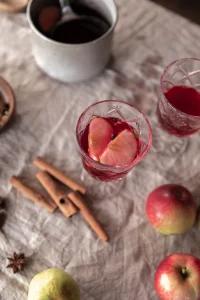
Apple Cinnamon Water Kefir
Apple Cinnamon Water Kefir Ingredients 4 cups finished water kefir (grains removed) 1 cup unfiltered apple cider (or to taste)...
Bread Machine (From King Arthur Flour)
Sourdough Rye Bread – For Bread Machine (From King Arthur Flour) Ingredients 2 tablespoons vegetable oil 1 1/2 tablespoons molasses...