
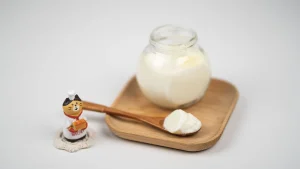
Gluten Free Sourdough Starter Instructions
You Will Need:
- one quart canning jar or other glass jar
- coffee filter or paper towel to cover jar, and elastic
- band to secure cover
- wooden or plastic spoon
- gluten free flour of your choice
- water (room temp – filtered or spring water preferred)
- 1 packet sourdough starter culture
Activating your starter culture:
- Put 1/4 cup water into jar. Sprinkle starter culture over water, and allow to sit for a few minutes to soften. Stir until well mixed. Add 1/4 cup flour, mixing well (stirring vigorously will incorporate bubbles into the mixture, which helps with activation). Cover the jar & secure with elastic band.
- Allow to culture at room temperature (68 to 78°F is ideal) for 24 hours. Choose a draft-free spot, out of direct sunlight. Stirring again once or twice during this first 24 hours will help get things going.
- After 24 hours, “feed” your starter with 1/8 cup of flour and enough water to make a thick pancake batterlike consistency. Stir well to incorporate. Allow to culture as before. Continue to feed twice daily with 1/8 cup flour & water until tiny bubbles appear on the surface. This means your culture is ”waking up”. You may begin to see some activity within another day or 2, but it can take several days depending on temperature and density of flour used. When it’s full of bubbles, you’re ready for action!
- Once your starter is activated, continue with once or twice daily feedings of roughly equal parts flour & water. Frequent feedings will keep your starter active and will increase volume more quickly for baking ( amount of starter needed depends on your recipe).
As you use your starter in recipes, always remember to reserve some back for your continuing starter. If you plan to use it frequently, keep it in a warm place and continue with daily feedings. If it will be awhile until you use it, store it in the refrigerator in a covered jar or container. This will put your starter to “sleep”, requiring less attention until you’re ready to use it again. While refrigerated, feed your starter every week or two to keep it happy. Remember – it will take a day or two for your starter to bounce back from refrigeration. Feed regularly until active again!
How are mesophilic and thermophilic yogurts different from each other?
How are mesophilic and thermophilic yogurts different from each other? The primary difference between mesophilic and thermophilic yogurts is the temperature...

Bake Real Sourdough At Home With The Yukon Sourdough Recipe
Bake Real Sourdough at Home with the Yukon Sourdough Starter Kit There is something deeply satisfying about baking sourdough at...

Sourdough Bagel Recipe
Sourdough Bagel Recipe Ingredients 1¼ cups warm water (254 grams) 1½ tablespoons honey (40 grams) ⅔ cup sourdough starter, active...

Sourdough Pizza Crust
Sourdough Pizza Crust Ingredients ¼-⅓ cup sourdough starter, active and bubbly (50 grams, fed at 100% hydration) ¾ cup water (175 grams)...
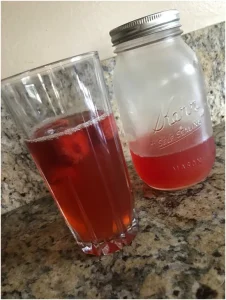
Kombucha Brewing Tips for Summertime
Kombucha Brewing Tips for Summertime In warmer weather, kombucha fermentation speeds up. If your kombucha is brewing too quickly and/or...
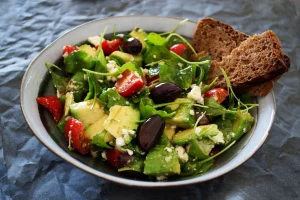
Kombucha Salad Dressing
Kombucha Salad Dressing Not just a salad dressing- great for marinades and added to dips too! Ingredients: 1 cup...
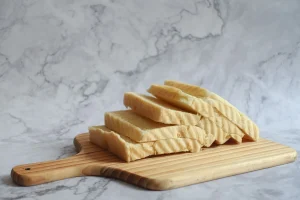
Sourdough Sandwich Bread Loaf
Sourdough Sandwich Bread Loaf Ingredients 4⅓ cups all-purpose flour, spooned and leveled (510 grams) 4 tablespoons salted butter, softened (56...

Kombucha Marinade
Kombucha Marinade Try it with meats, veggies, tempeh, tofu & more. A great way to use extra strong Kombucha! Ingredients...

Apple Cinnamon Water Kefir
Apple Cinnamon Water Kefir Ingredients 4 cups finished water kefir (grains removed) 1 cup unfiltered apple cider (or to taste)...
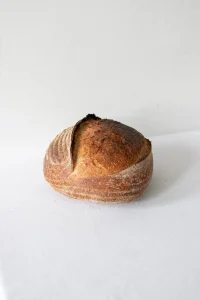
Bread Machine (From King Arthur Flour)
Sourdough Rye Bread – For Bread Machine (From King Arthur Flour) Ingredients 2 tablespoons vegetable oil 1 1/2 tablespoons molasses...