Process of Fermentation
by Kim
You've seen a SCOBY. Do you ever wonder how the heck that flimsy disc of jelly is the link between sugary tea and a good glass of Kombucha?
Please allow us to explain the process of fermentation. We’re going to use some big words, but it’s not that complex a process.
The work of fermentation is the conversion of sugars into acids, gasses, or alcohol. That's it. Anything else reverts to that.
Interestingly, fermentation has been a naturally-occurring process since forever. For one, it happens naturally in mammalian muscles – it’s the production of lactic acid during intense exercise, i.e. when animals need energy faster than blood can supply oxygen. Humans have used it in food and drink production for thousands of years. Records show the first alcoholic drink made of fruit, rice, and honey dates from 7000-6600 BC. Fermentation was used for food preservation purposes long before the advent of the refrigerator. Within the context of food production, fermentation is the conversion of carbohydrates and proteins into alcohol or organic acids using microorganisms, like mold, yeast or bacteria. And the SCOBY? You guessed it – mixing a carbohydrate (like sugar) with a bacterial microorganism (SCOBY) can produce organic acids (as found in Kombucha).
Let's get a little more specific.
Ferment-specific molds, bacteria, and yeasts break down complex organic molecules, like proteins and carbohydrates, into smaller compounds. The first step is called glycolysis – when glucose is converted to pyruvic acid. During fermentation, pyruvate can be metabolized into compounds through either Lactic Acid Fermentation or Alcoholic Fermentation. Since we’re talking food, we’ll stick to the first one – Lactic Acid Fermentation.
Lactic Acid Fermentation
Lactic Acid Fermentation produces Lactic Acid Bacteria, which we’ll call LAB. LAB are ‘the good guys.’ Lactic acid is what keeps food from spoiling. It also improves the digestibility of foods, increases vitamin levels, and proliferates healthy gut flora. Most importantly, LAB can withstand highly acidic environments with a lower pH – whereas ‘bad’ bacteria cannot.
The LAB go on to produce different genus strains of Lactobacillales, which occur at various stages of fermentation and are responsible for different tastes and textures. Yum. It could help to think of Lacto-Fermentation as a party. First, the bacteria, mold or yeast creates an environment with a high acidity level. High acid means more multiplication. As the acid level increases, other species of friendly flora arrive and multiply as well. The party hits its peak as Lactobacillus are fermented into other species while sugars and starches are fully fermented out and taste and palatability are developed and enhanced. Sounds fun, right? We hope so because that’s it.
It’s a big, friendly acid party that just gets better as the night wears on. What’s cool – some people have made videos where they recorded the fermentation process in a time lapse, and they’re super exciting to watch. So join in on the fun! Check out our starter cultures to start and watch the process of fermentation process yourself!
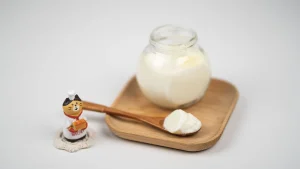
How are mesophilic and thermophilic yogurts different from each other?
How are mesophilic and thermophilic yogurts different from each other? The primary difference between mesophilic and thermophilic yogurts is the temperature...
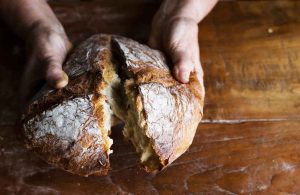
Bake Real Sourdough At Home With The Yukon Sourdough Recipe
Bake Real Sourdough at Home with the Yukon Sourdough Starter Kit There is something deeply satisfying about baking sourdough at...
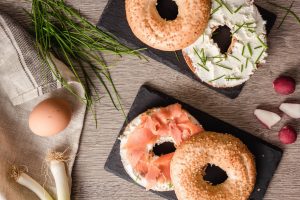
Sourdough Bagel Recipe
Sourdough Bagel Recipe Ingredients 1¼ cups warm water (254 grams) 1½ tablespoons honey (40 grams) ⅔ cup sourdough starter, active...

Sourdough Pizza Crust
Sourdough Pizza Crust Ingredients ¼-⅓ cup sourdough starter, active and bubbly (50 grams, fed at 100% hydration) ¾ cup water (175 grams)...
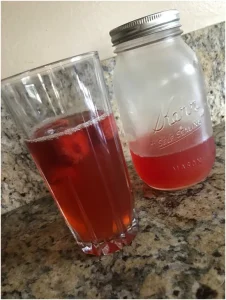
Kombucha Brewing Tips for Summertime
Kombucha Brewing Tips for Summertime In warmer weather, kombucha fermentation speeds up. If your kombucha is brewing too quickly and/or...
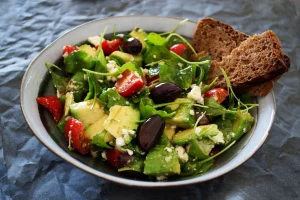
Kombucha Salad Dressing
Kombucha Salad Dressing Not just a salad dressing- great for marinades and added to dips too! Ingredients: 1 cup...
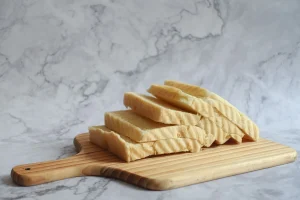
Sourdough Sandwich Bread Loaf
Sourdough Sandwich Bread Loaf Ingredients 4⅓ cups all-purpose flour, spooned and leveled (510 grams) 4 tablespoons salted butter, softened (56...
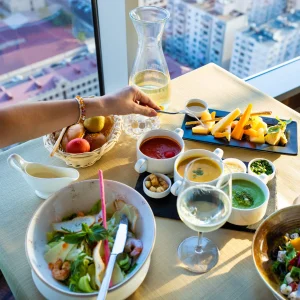
Kombucha Marinade
Kombucha Marinade Try it with meats, veggies, tempeh, tofu & more. A great way to use extra strong Kombucha! Ingredients...
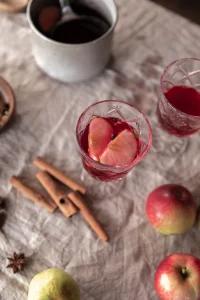
Apple Cinnamon Water Kefir
Apple Cinnamon Water Kefir Ingredients 4 cups finished water kefir (grains removed) 1 cup unfiltered apple cider (or to taste)...
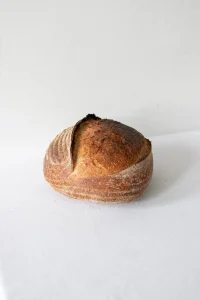
Bread Machine (From King Arthur Flour)
Sourdough Rye Bread – For Bread Machine (From King Arthur Flour) Ingredients 2 tablespoons vegetable oil 1 1/2 tablespoons molasses...