
Kahm Yeast...Ew?
by Jerri
Even in an airlock container, a vegetable ferment can turn wonky. What is more perplexing, is having the exact same ferment in different jars, side by side, and one is wonkier than the other. The jar on the right – what IS that layer on top? Is it time to freak out?
You probably did everything the same: sterilization of equipment, same ingredients from the same garden or farmer (hot peppers in my case), same ratios, on the same counter – YOU WORKED SO HARD. Why? Is that one batch ruined?
Luckily, the wonkiness was not mold, but instead that interesting phenomenon called kahm yeast. In Sandor Katz’s ginormous orange book, €œThe Art of Fermentation,€ he describes kahm yeast as being, €œbeige in color, with a dramatic texture, something like waves or a plate of spaghetti.€ Look closer:
Yup, nailed it. It actually looks quite intricate and dare I say, beautiful? But, can we eat it? Is it harmful like mold?
Katz recommends removing the yeast (he states some yeasts can turn into mold), while other fermenters simply stir it back in. Personally, for my ferments, if it’s just barely forming, I mix it back in. But, if I have an actual layer, I take out as much as I can, including a bit of the produce under the produce touching the yeast layer. Bottom line, if it’s whit-ish, it’s probably harmless kahm yeast€.if it’s colorful, you can assume it is mold, so pitch it upon discovery!
This is not my first experience with kahm yeast. A few years ago I had it happen with a batch of pickles. The layer was so thick I could handle it like a rubbery pancake. Now that was weird!
Why does it form? I’ve read it is due to the sugar being used up and the pH dropping. It tends to happen with sweeter produce like my cucumbers and peppers, but also beets and carrots. It can also occur when the room temp is too warm (certainly not my case in mid-fall and on a cold granite countertop) or when the salt brine has too little salt. I am still dumbfounded since I had the same brine mixture for all three, so not sure it was the salt ratio either!
Eh, life is too short. This is not the end of my fermenting world€I’m over the need to know why only one batch was affected, let alone why it occurred at all. On to my next project!
Get fermented!
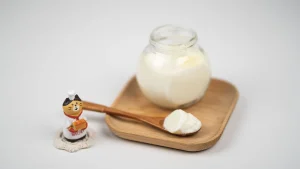
How are mesophilic and thermophilic yogurts different from each other?
How are mesophilic and thermophilic yogurts different from each other? The primary difference between mesophilic and thermophilic yogurts is the temperature...
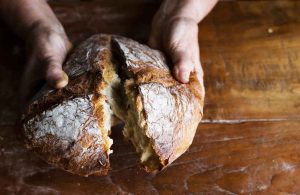
Bake Real Sourdough At Home With The Yukon Sourdough Recipe
Bake Real Sourdough at Home with the Yukon Sourdough Starter Kit There is something deeply satisfying about baking sourdough at...

Sourdough Bagel Recipe
Sourdough Bagel Recipe Ingredients 1¼ cups warm water (254 grams) 1½ tablespoons honey (40 grams) ⅔ cup sourdough starter, active...

Sourdough Pizza Crust
Sourdough Pizza Crust Ingredients ¼-⅓ cup sourdough starter, active and bubbly (50 grams, fed at 100% hydration) ¾ cup water (175 grams)...
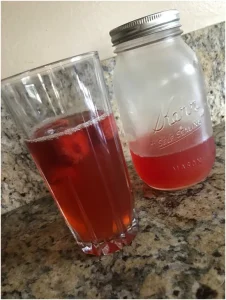
Kombucha Brewing Tips for Summertime
Kombucha Brewing Tips for Summertime In warmer weather, kombucha fermentation speeds up. If your kombucha is brewing too quickly and/or...
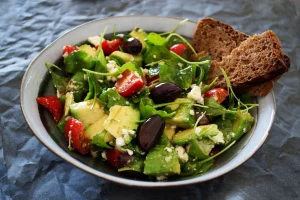
Kombucha Salad Dressing
Kombucha Salad Dressing Not just a salad dressing- great for marinades and added to dips too! Ingredients: 1 cup...
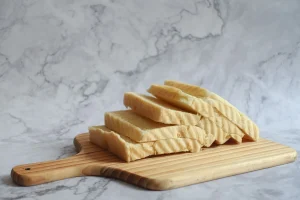
Sourdough Sandwich Bread Loaf
Sourdough Sandwich Bread Loaf Ingredients 4⅓ cups all-purpose flour, spooned and leveled (510 grams) 4 tablespoons salted butter, softened (56...

Kombucha Marinade
Kombucha Marinade Try it with meats, veggies, tempeh, tofu & more. A great way to use extra strong Kombucha! Ingredients...
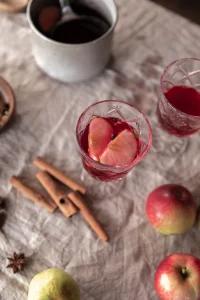
Apple Cinnamon Water Kefir
Apple Cinnamon Water Kefir Ingredients 4 cups finished water kefir (grains removed) 1 cup unfiltered apple cider (or to taste)...
Bread Machine (From King Arthur Flour)
Sourdough Rye Bread – For Bread Machine (From King Arthur Flour) Ingredients 2 tablespoons vegetable oil 1 1/2 tablespoons molasses...