
Firekraut
The ingredients of immune-boosting Fire Cider in a delicious spicy kraut. A cup a day will help keep the cooties away! Makes 1 quart.
Ingredients:
- 2 cloves garlic, minced
- 1 jalapeno, minced (remove seeds if you prefer less heat)
- 2 tsp. burdock, minced or grated
- 1 tsp. ginger, minced or grated
- 4 tsp. horseradish, minced or grated
- 3 tsp. turmeric, minced or grated
- 1 cup onion, thinly sliced
- 1/2 cup carrot, grated or thinly sliced
- Note: the above ingredients can be increased or decreased according to taste- the more fiery, the better!
6 cups (one medium sized head) cabbage, thinly sliced & loosely packed - 1 Tbsp. non-iodized salt (we use sea salt)
Instructions
- Combine all the vegetables in a bowl large enough to accommodate them. Sprinkle with 1/2 Tbsp. of the salt, and mix well to incorporate throughout. Allow to rest for about 30 minutes at room temp.
- After resting, add the other 1/2 Tbsp. of salt and mix well. Allow to rest again for another 30 minutes or so. This will allow the vegetables to release some of their juices making your job a little easier.
- When the juices begin to accumulate in the bottom of the bowl, use a kraut pounder, tamper or your hands to crush the vegetables and create as much liquid as you can.
- Once plenty of juices have developed, pack the vegetables into your jar. Use a pounder or your fist to tamp them down until the vegetables are completely covered with liquid. If there aren’t enough juices to cover, some brine can be added to top it off (1Tbsp. salt dissolved in 2 cups water). Place a fermentation weight on top to keep the veggies under the juices, and cover with a coffee filter & rubber band, or other breathable material. If using a hard (airtight) lid, be sure to “burp” the jar daily to allow gases to escape. An airlock can also be used to keep the air out and prevent mold.
- Allow to ferment at room temperature (65 to 75 degrees is ideal) for 5-7 days. Taste after 4 days to check texture. It is ready when it has softened a bit, but still has some crunch to it and tastes like sauerkraut. When it’s ready, remove the weight or airlock, cover with an airtight lid and refrigerate (unless you choose to eat it all right away!).
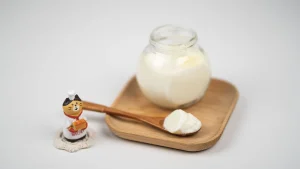
How are mesophilic and thermophilic yogurts different from each other?
How are mesophilic and thermophilic yogurts different from each other? The primary difference between mesophilic and thermophilic yogurts is the temperature...
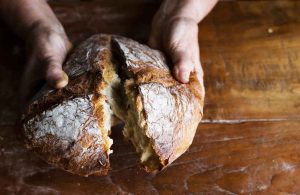
Bake Real Sourdough At Home With The Yukon Sourdough Recipe
Bake Real Sourdough at Home with the Yukon Sourdough Starter Kit There is something deeply satisfying about baking sourdough at...

Sourdough Bagel Recipe
Sourdough Bagel Recipe Ingredients 1¼ cups warm water (254 grams) 1½ tablespoons honey (40 grams) ⅔ cup sourdough starter, active...

Sourdough Pizza Crust
Sourdough Pizza Crust Ingredients ¼-⅓ cup sourdough starter, active and bubbly (50 grams, fed at 100% hydration) ¾ cup water (175 grams)...
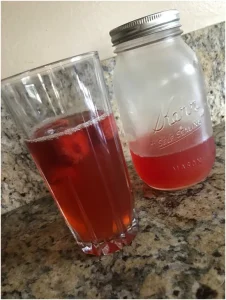
Kombucha Brewing Tips for Summertime
Kombucha Brewing Tips for Summertime In warmer weather, kombucha fermentation speeds up. If your kombucha is brewing too quickly and/or...
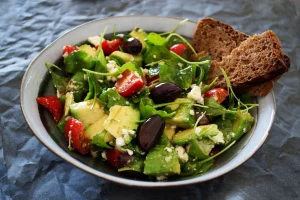
Kombucha Salad Dressing
Kombucha Salad Dressing Not just a salad dressing- great for marinades and added to dips too! Ingredients: 1 cup...

Sourdough Sandwich Bread Loaf
Sourdough Sandwich Bread Loaf Ingredients 4⅓ cups all-purpose flour, spooned and leveled (510 grams) 4 tablespoons salted butter, softened (56...

Kombucha Marinade
Kombucha Marinade Try it with meats, veggies, tempeh, tofu & more. A great way to use extra strong Kombucha! Ingredients...
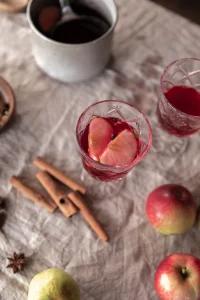
Apple Cinnamon Water Kefir
Apple Cinnamon Water Kefir Ingredients 4 cups finished water kefir (grains removed) 1 cup unfiltered apple cider (or to taste)...
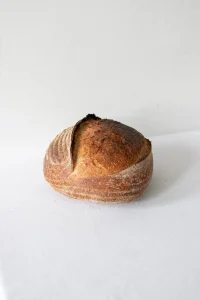
Bread Machine (From King Arthur Flour)
Sourdough Rye Bread – For Bread Machine (From King Arthur Flour) Ingredients 2 tablespoons vegetable oil 1 1/2 tablespoons molasses...