
Sourdough Pumpernickel Bread (From King Arthur Flour)
Sponge Ingredients
- 1 1/3 cups active (fed) sourdough starter, any variety is fine
- 1 cup room temperature black coffee or potato water (water in which potatoes have been boiled)
- 2 cups pumpernickel flour
- 1/2 cup chopped onion
Dough Ingredients
- 2 tablespoons vegetable oil
- 2 teaspoons salt
- 1/4 cup molasses
- 4 cups unbleached all-purpose flour
Instructions
- To make the sponge: Measure the starter into a bowl. Add the coffee or potato water, pumpernickel, and onion. Stir together, cover, and let bubble away at room temperature overnight.
- To make the dough: The next day, stir the oil, salt and molasses into the sponge. Stir in the flour 1 cup at a time, until the dough comes together.
- Turn the dough out onto a lightly floured surface and knead, adding only enough additional flour to keep it from sticking to your hands.
- There are a number of ways to shape this dough. Make one large round loaf, which you’ll place on a pumpernickel-sprinkled baking sheet. Or make two smaller versions of the same thing. Or place the entire amount of dough into a large (10″ x 5″) loaf pan. Or divide it in half, and use two smaller (8 1/2″ x 4 1/2″) loaf pans.
- Cover the loaves with a piece of lightly greased plastic wrap. Let them rise in a draft-free spot. You can predict the amount of rise somewhat by the temperature of the space where they’re rising: at 55°F to 60°F, they’ll probably take 3 to 5 hours to rise; at 65°F to 70°F, 2 to 4 hours.
- A short time before the loaves have doubled in size, place them in a preheated 350°F oven; they’ll continue to rise during the first 15 minutes of baking.
- Bake two smaller loaves for about 35 minutes; one large loaf will bake for about 45 minutes.
- The loaves are done when the centers measure 200°F when measured with an instant-read thermometer. Remove from the oven and put on a rack to cool before slicing.
- Yield: 1 or 2 loaves, 24 servings.
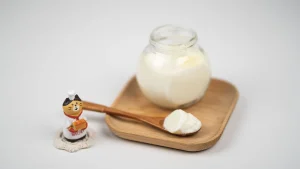
How are mesophilic and thermophilic yogurts different from each other?
How are mesophilic and thermophilic yogurts different from each other? The primary difference between mesophilic and thermophilic yogurts is the temperature...
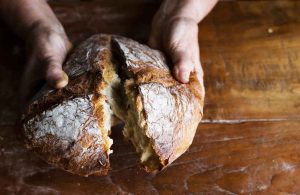
Bake Real Sourdough At Home With The Yukon Sourdough Recipe
Bake Real Sourdough at Home with the Yukon Sourdough Starter Kit There is something deeply satisfying about baking sourdough at...

Sourdough Bagel Recipe
Sourdough Bagel Recipe Ingredients 1¼ cups warm water (254 grams) 1½ tablespoons honey (40 grams) ⅔ cup sourdough starter, active...

Sourdough Pizza Crust
Sourdough Pizza Crust Ingredients ¼-⅓ cup sourdough starter, active and bubbly (50 grams, fed at 100% hydration) ¾ cup water (175 grams)...
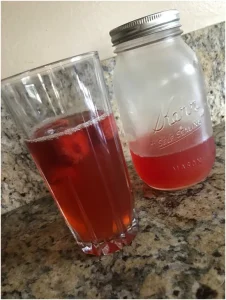
Kombucha Brewing Tips for Summertime
Kombucha Brewing Tips for Summertime In warmer weather, kombucha fermentation speeds up. If your kombucha is brewing too quickly and/or...
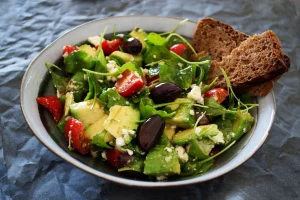
Kombucha Salad Dressing
Kombucha Salad Dressing Not just a salad dressing- great for marinades and added to dips too! Ingredients: 1 cup...
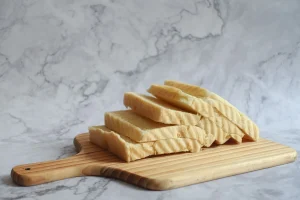
Sourdough Sandwich Bread Loaf
Sourdough Sandwich Bread Loaf Ingredients 4⅓ cups all-purpose flour, spooned and leveled (510 grams) 4 tablespoons salted butter, softened (56...

Kombucha Marinade
Kombucha Marinade Try it with meats, veggies, tempeh, tofu & more. A great way to use extra strong Kombucha! Ingredients...

Apple Cinnamon Water Kefir
Apple Cinnamon Water Kefir Ingredients 4 cups finished water kefir (grains removed) 1 cup unfiltered apple cider (or to taste)...
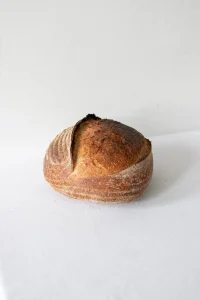
Bread Machine (From King Arthur Flour)
Sourdough Rye Bread – For Bread Machine (From King Arthur Flour) Ingredients 2 tablespoons vegetable oil 1 1/2 tablespoons molasses...